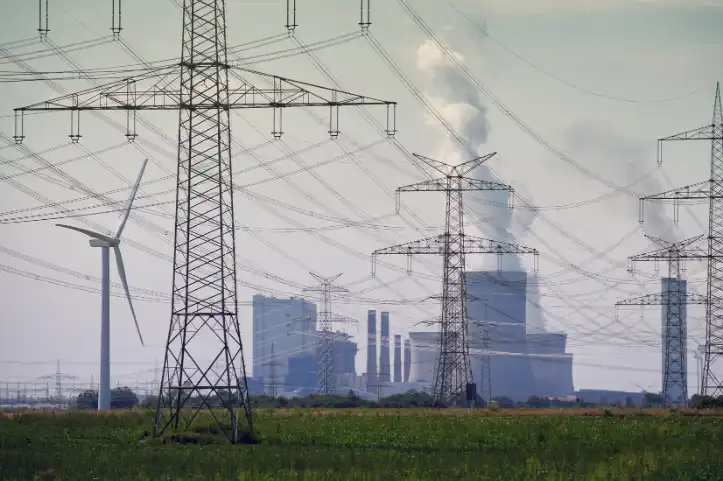
Energy marketing is not the same as traditional B2B marketing. Businesses in the energy sector face longer sales cycles, technical decision-making, and team-based purchases. Customers focus on energy efficiency, cost savings, and compliance, not just features or brand promises. Understanding these differences is key to creating effective marketing strategies that engage the right audience, deliver measurable results, and support long-term growth.
This article explains how energy marketing differs from standard B2B approaches and why tailored strategies matter.
Why Energy Marketing Cannot Follow Traditional B2B Marketing Models
Energy marketing is not like regular B2B marketing. Decisions take longer and involve teams, not just one person. Buyers care about energy efficiency, cost savings, and compliance. They need clear facts, not just emotional messages.
Traditional B2B methods focus on features or short-term gains. Energy marketing must show real value, measurable results, and technical reliability. Generic campaigns often fail because energy customers need precise and relevant information.
Understanding the Energy Market and Energy Services Buyers
The energy market is complex. Providers offer electricity, renewables, efficiency programs, and more. Each service has different customers and rules. Marketing must match this complexity to connect with the right audience.
Energy Providers and Energy Services as a Specialized Industry
Energy providers work in a technical and regulated field. Marketing must show credibility, reliability, and measurable results. Customers want proof of performance and trust, not generic promises. Messages should reflect energy terms, efficiency, and programs.
How Energy Customers and Potential Customers Make Decisions
Energy buyers think about savings, efficiency, compliance, and long-term impact. Decisions involve teams from finance, operations, and technical staff. Marketing should provide relevant content, data, and examples. Personalized programs and clear insights help customers choose the right service.
Differences Between Energy Marketing and Traditional B2B Marketing
Energy marketing works differently than traditional B2B marketing. It focuses on long-term value, detailed information, and measurable outcomes. Unlike typical B2B marketing, energy customers expect data-driven insights and tailored solutions. Generic messages or hype rarely influence decisions in this sector.
Longer Sales Cycles in Energy Marketing
Sales in energy services take time. Contracts often involve months of evaluation. Buyers review technical details, compare options, and plan budgets carefully. Marketing must support this slow process with consistent information and follow-up. Quick, generic campaigns are not enough to convert potential customers.
Buying Teams, Not Individual Customers
Energy purchases are made by groups, not single buyers. Teams usually include finance, operations, and technical experts. Marketing must address each team member’s concerns and show how the service benefits the whole organization. Understanding the roles in the buying team is key to designing effective campaigns.
Technical Specifications Over Emotional Messaging
Energy customers prioritize facts over feelings. They care about efficiency, reliability, compliance, and measurable outcomes. Marketing content should focus on technical details, case studies, and proof of performance. Emotional stories or broad promises have little impact in energy decision-making.
Customer Needs Focused on Energy Usage and Energy Efficiency
Customers make choices based on energy consumption and efficiency. Marketing should show how services reduce costs, optimize usage, and improve sustainability. Highlighting relevant metrics and tailored solutions helps build trust and drives decisions more effectively than generic messaging.
The Role of Customer Experience in Energy Marketing
Customer experience is central to energy marketing. Buyers remember how easy it is to get information, resolve issues, and understand energy solutions. A positive experience builds trust and encourages long-term partnerships. Marketing is not just about promoting services; it’s about making every interaction smooth, clear, and valuable.
Customer Service as a Core Marketing Driver
Customer service directly impacts marketing results. Quick responses, accurate information, and helpful support show reliability. When energy customers feel supported, they are more likely to engage with services and recommend providers. Service quality itself becomes a marketing tool in this sector.
Customized Marketing Programs for Energy Customers
Energy customers have different needs based on usage, location, and industry. Customized programs that match these needs perform better than generic campaigns. Personalized emails, specific service packages, and tailored communications demonstrate understanding and increase engagement.
Marketing Channels That Work for Energy Marketing
The right channels make energy marketing effective. Providers must use platforms where customers seek information and make decisions. A mix of digital and traditional media ensures outreach to the right audience.
Content Marketing Built Around Relevant Energy Content
Content should address energy challenges, efficiency, and operational benefits. Case studies, usage data, and energy insights guide decision-makers. Relevant content builds authority and helps customers make informed choices.
Social Media Platforms and Local Media for Energy Businesses
Social media platforms and local media amplify messages to the right audience. LinkedIn, industry forums, and regional publications connect providers with decision-makers. These channels also allow sharing updates on energy programs, events, and conservation initiatives.
Targeted Ads Based on Certain Geography and Energy Needs
Targeted ads help reach the right businesses in specific regions. Campaigns can focus on energy usage patterns, local regulations, or industry-specific challenges. This approach ensures marketing efforts are relevant and more likely to convert potential customers.
Data, Research, and Surveys in Energy Marketing Strategy
Data and research guide every decision in energy marketing. Providers rely on accurate information about energy usage, customer behavior, and market trends to shape campaigns. Marketing without data often misses the specific needs of potential customers, reducing effectiveness.
Using Survey Research to Understand Energy Consumption
Surveys help energy providers understand how customers use energy. They reveal patterns, preferences, and efficiency gaps. This information allows marketers to create programs and content that address real needs and show measurable benefits.
Energy Usage Data and Marketing Efficiency
Analyzing energy usage data improves marketing efficiency. It helps target the right audience, suggest relevant solutions, and measure campaign impact. Providers can adjust messaging based on actual usage patterns, making marketing more precise and effective.
Cross-Sector Marketing and Industry-Specific Campaigns
Energy marketing often spans multiple sectors. Providers must adapt strategies for different industries, customer sizes, and energy needs. Campaigns that understand these variations perform better than one-size-fits-all approaches.
Cross-Sector Marketing Initiatives for Energy Providers
Cross-sector initiatives allow providers to share insights and solutions across industries. Marketing can highlight how energy services help different sectors save costs, increase efficiency, or meet sustainability goals. Tailored messaging ensures relevance for each sector.
Marketing Energy Services Across Different Regions
Regional differences affect energy needs and marketing strategies. Providers must adjust messaging based on local regulations, energy availability, and customer preferences. Regional targeting ensures campaigns are relevant and increase the likelihood of engagement.
Digital Infrastructure Supporting Energy Marketing
Digital tools are essential in modern energy marketing. Web platforms and mobile applications provide information, track usage, and improve customer interaction. Reliable digital infrastructure strengthens campaigns and customer trust.
Web Platforms and Mobile Applications in Energy Marketing
Websites and mobile apps offer direct communication channels. Customers can access service details, track energy usage, or request support. These platforms enhance experience and support marketing campaigns by providing valuable data and touchpoints.
Security and Firewall Solutions for Energy Businesses
Security is critical for energy providers. Marketing efforts often involve sensitive customer and operational data. Reliable firewall solutions and cybersecurity measures protect data and maintain trust. Secure systems also ensure digital campaigns run smoothly without interruptions.
How Energy Marketing Impacts Sales and Business Growth
Energy marketing directly influences sales and business growth. Well-planned campaigns attract the right customers, improve engagement, and guide buyers through complex decision processes. When marketing aligns with customer needs and energy usage patterns, it helps increase conversion and build long-term partnerships.
Aligning Marketing Efforts With Sales Teams
Marketing works best when it supports sales teams. Collaboration ensures that campaigns provide relevant leads, targeted content, and insights into potential customers. Sales teams can use this information to address specific concerns, shorten decision times, and improve overall efficiency.
Driving Increased Sales Through Effective Marketing Strategy
A focused marketing strategy drives sales by highlighting value, efficiency, and measurable benefits. Clear messaging on energy savings, customized programs, and service reliability convinces customers to choose the provider. Consistency in campaigns builds trust and encourages repeat business, contributing to sustained growth.
Building a Comprehensive Energy Marketing Strategy
A comprehensive strategy integrates all elements of energy marketing into a coordinated plan. Providers must combine content, media, and campaigns to create a unified approach that reaches the right audience with relevant messages.
Combining Content Marketing, Media, and Campaigns
Content marketing, media outreach, and targeted campaigns work together to inform and engage customers. Case studies, energy usage data, and localized campaigns provide context and proof of results. Coordinating these elements ensures the marketing message is consistent, clear, and impactful.
Creating a Marketing Plan Focused on Long-Term Success
Long-term success requires planning beyond immediate sales. Strategies should include customer retention, cross-sector opportunities, and ongoing performance tracking. A clear plan helps energy providers adapt to market changes, improve efficiency, and maintain a competitive edge while consistently meeting customer needs.
Conclusion:
Energy marketing is distinct from traditional B2B approaches. It requires data-driven insights, longer sales cycles, and team-based decision-making. Success depends on understanding customer needs, delivering relevant content, and aligning marketing with sales and operations. Providers that focus on efficiency, customized programs, and digital tools can build trust, drive engagement, and achieve sustainable growth.