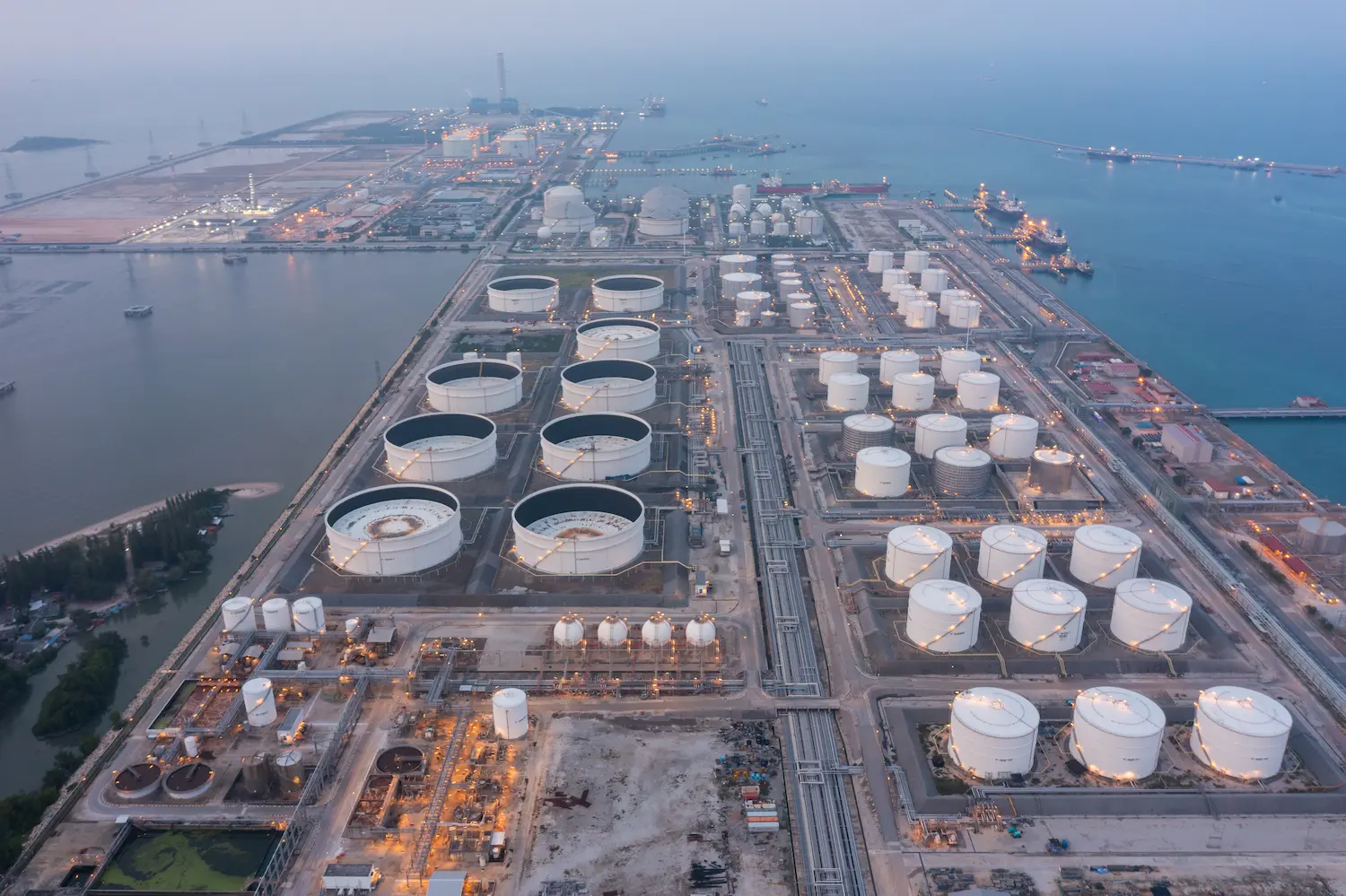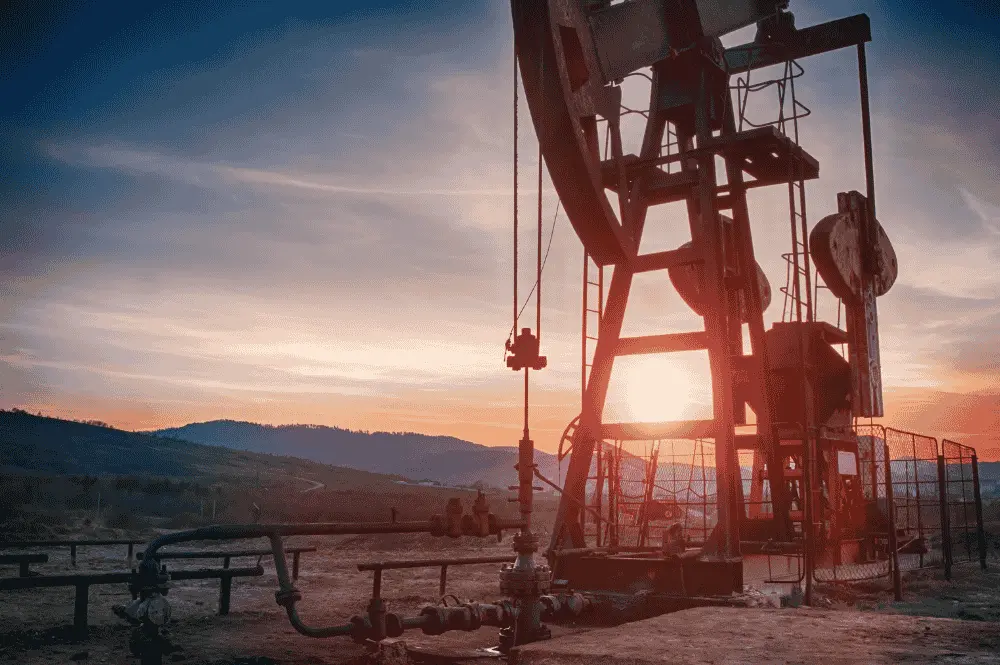
I’ve spent years building and fixing websites for companies in this industry, and I’ll tell you the same thing I tell every client at the start of a project: oil and gas is not like other industries, and your website shouldn’t pretend otherwise. The sales cycles are longer. The audiences are more varied. The regulatory burden is heavier. A website that ignores those realities ends up looking like every other generic corporate site, and in this industry, that’s a credibility problem before it’s even a design problem.
Here’s what I’ve learned actually moves the needle when it comes to web design services for the energy industry.
How Does Web Design Actually Impact Business Performance?
I get asked this a lot, usually by someone who isn’t fully convinced the website budget is worth it. Fair question. Here’s how I answer it.
When someone lands on your site, they’re there to find something, pricing, a service, proof you can do the job, a way to contact you. If they find it, you’ve got a shot at a customer. If they don’t, you’ve lost one, and you usually never even know it happened. That’s the part that gets missed: a bad website doesn’t just look unprofessional, it quietly costs you deals you never hear about.
A few things I’ve seen play out again and again:
- Information has to be the focal point, not an afterthought. I’ve walked into plenty of redesigns where the actual content, the stuff visitors came for, was buried under clutter or crammed into a layout that fought against readability. Clean design with a real breathing room isn’t decoration. It’s what lets people actually absorb what you’re telling them.
- Your site is read as a signal about your whole business. This one surprises people. Clients tell me, “we sell oil and gas equipment, nobody cares what our website looks like.” I disagree, and the data backs me up, a slow, outdated, or broken looking site gets read as a stand in for how the company itself operates. In an industry like this one, trust is the most valuable asset you have, and your website is one of the quietest places it gets won or lost. Fair or not, that’s how people make snap judgments, and you don’t get a second chance at a first impression.
- Accessibility beats cleverness. Every site I build gets a clear contact page, company name, address, phone number, a short form that doesn’t ask for ten fields when two will do. I put that contact info in more than one place too, because visitors who are ready to reach out shouldn’t have to go hunting for how.
What I tell every client is this: maintaining a polished, functional website isn’t the same work as running your core business, but it’s not separate from it either. For a huge share of your prospects, your website is the first interaction they have with you, before a phone call, before a meeting, before anything. Get that interaction right, and you’ve already started earning trust. Get it wrong, and you’re fighting an uphill battle before the conversation even begins.
What Makes Up an Impactful Web Design for This Industry
Once a client’s bought into why web design matters, the next question is always “okay, so what actually goes into it?” Here’s what I tell them, based on what’s actually worked across the projects I’ve run.
Your Branding Has to Look Like You Know the Work
I can spot a stock photo oil and gas site from a mile away, and so can your customers. Engineers, procurement teams, and field supervisors have seen enough marketing fluff to know when a site is faking it.
What works is real photography and video, actual facilities, actual equipment, actual crews. I’ve seen companies resist this at first because it feels less “polished” than a stock library, but it’s the opposite. Authentic imagery signals that you’re a real operator, not a marketing shell. Pair that with a color palette that echoes what people already associate with the field, deep blues, grays, safety accent colors like orange or yellow, and bold, legible typography. It doesn’t need to be flashy. It needs to feel earned.
The other thing I push hard on: case studies. In an industry where buyers are making expensive, high stakes decisions, nothing builds trust faster than proof. I’ve watched deals move forward simply because a prospect found a relevant project on the site before the first sales call even happened, which lines up with what I’ve seen elsewhere about where deals actually start moving in this industry. That’s free persuasion working while you sleep, and it’s really the content side of that equation doing the heavy lifting, not the design alone.
Navigation Needs to Match How Your Audiences Actually Think
Here’s a mistake I see constantly: companies build one navigation structure and expect it to serve everyone. It doesn’t work, because most companies in this space have more than one audience reading the same pages. You’ve got retail customers, B2B clients, contractors, and, if you’re a public company, investors, all looking for completely different things, and how those buying decisions actually get made varies just as much as the audience does.
What I’ve learned to do instead is segment the site structurally, not just cosmetically:
- Operational hubs that split content by business line, upstream exploration and production, midstream transportation and storage, downstream refining, petrochemical manufacturing, or specific oilfield services
- Investor and stakeholder centers that consolidate annual reports, stock data, ESG disclosures, and press releases in one obvious place. If you’re publicly traded, this isn’t optional, investors expect to find this fast, and burying it erodes confidence before they even read the numbers.
Inside each of those sections, the basics still apply: clear labels, minimal clicks, plain language. I always tell clients, don’t assume every visitor speaks fluent industry jargon. A menu that requires insider knowledge filters out exactly the leads you want.
And every page needs a clear next step. I’ve audited too many well designed sites that had nowhere for the visitor to go. A strong call-to-action, request a quote, download a resource, get in touch, is what turns a good-looking page into a working one.
Compliance Isn’t a Box to Check, It’s Part of the Design
This is the part I see companies underestimate the most. Oil and gas carries a documentation and compliance burden most industries don’t, and your website needs to carry that weight visibly, not bury it.
Two things I insist on with every project:
- Real accessibility compliance. ADA and WCAG standards aren’t suggestions, they’re legal requirements, and frankly, they’re also just good practice. Safety and compliance information needs to be usable by everyone, including people relying on assistive technology.
- A real resource library. CSR reports, QHSE policies, compliance certifications, regulatory filings, I build these into a categorized hub that’s easy to find, not a folder three clicks deep that nobody can locate. Visitors who dig through a hub like that are self-educating before they ever pick up the phone, which is exactly the kind of visitor that actually turns into leads instead of bouncing.
Security follows the same principle. Any site I build that includes employee logins, bidding portals, or investor data gets SSL encryption, secure hosting, and regular vulnerability audits as standard, not as an upgrade somebody asks for later.
Speed Is a Revenue Number, Not a Tech Number
I’ve had this conversation more times than I can count: a client thinks site speed is an IT detail. It’s not. It’s a sales number.
My rule of thumb, and one I’ve seen hold up across this industry specifically, is to keep page loads under three seconds. Past that, you start losing people, and oil and gas sites are usually heavy with images and video, which makes this even more important, not less. The fix is straightforward: compress your media, clean up your site architecture, cut the bloated scripts nobody needed in the first place. What you get back is lower bounce rates and more visitors actually reaching your contact form instead of giving up and going to a competitor.
Mobile Design Has Real Stakes in This Industry
A huge share of the people visiting your site aren’t sitting at a desk. They’re field workers, contractors, sales reps standing somewhere with spotty signal. Responsive design isn’t a nice-to-have here, it’s table stakes.
What I always flag that other industries don’t have to think about: emergency contact numbers and safety documentation can never disappear on a smaller screen. I’ve seen mobile redesigns that quietly tucked a safety hotline behind a collapsed menu, and that’s not just a bad user experience, in this industry, that’s a real-world risk to someone in the field. I check for this on every mobile build, no exceptions.
Content Is How You Prove Expertise, Not Just Claim It
The content strategy that actually works here goes beyond describing your services. I push clients toward genuine industry insight, safety protocols, regulatory updates, sustainability initiatives, equipment innovations, project management practices. This does two things at once: it helps you show up for the searches your buyers are actually running, and it demonstrates that you know what you’re talking about instead of just saying so.
And it has to stay current. This industry moves fast on the regulatory side, and outdated guidance sitting on your site does more damage to your credibility than having no content at all.
What Really Matters, in the End
None of these pieces work in isolation. I’ve seen beautifully designed sites fail because they loaded slowly. I’ve seen fast, secure sites fail because the navigation buried what investors needed. The companies that get this right treat their website as a working business asset, not a brochure, and build every one of these elements in from the start, not as an afterthought bolted on later.
If there’s one thing fifteen-plus years of doing this has taught me, it’s this: in an industry built on trust, safety, and long-term relationships, your website is often the first place that trust either gets built or gets lost. Build it like it matters, because it does.